introduction: in the context of the rapid development of informatization and the internet of things, the scalability of weak power rooms has become the key to long-term operating costs and business continuity. the classic case of germany's weak current room is famous for its modularity, standardization and strict operation and maintenance process, which provides us with practical design ideas and methodologies for future scalability.
the german case emphasizes the core principles of "easy to modify, easy to maintain, and scalable". interfaces and space should be reserved during design, and pluggable modules and standardized cabinet layout should be used to reduce the impact of later changes on the business and improve performance and return on investment during the project life cycle.
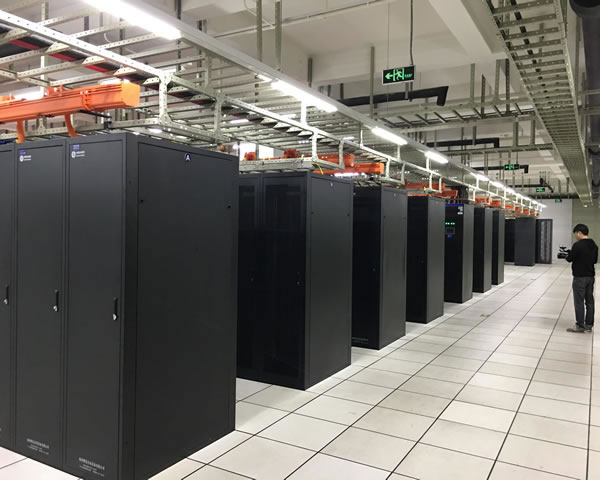
modularity is a key means for future scalability. divide functional units (wiring, power distribution, refrigeration) into modules to support on-demand expansion. modularization can also shorten the installation and commissioning cycle, reduce on-site complexity, and facilitate phased investment and smooth upgrades.
standardizing interfaces, cabling, and cabinet dimensions can significantly reduce compatibility issues. in german practice, unified interface definitions and documented processes make it easy to access equipment from different manufacturers and ensure data and power continuity during future technology iterations.
proper cabling architecture and space planning are the basis for scalability. adopting hierarchical cabling, clarifying channel and bay capacities, and reserving spare paths and expansion space during the design stage can reduce the disruption to operations and risks of downtime caused by future modifications.
future-oriented power and cooling designs need to support hierarchical expansion and redundant switching. through modular ups, scalable power distribution units and zoned cooling strategies, it can not only meet the current load, but also smoothly accommodate new equipment, improving risk resistance.
the german case emphasizes a monitoring-centered operation and maintenance system. build a centralized monitoring, alarm and remote management platform to realize real-time visualization of energy consumption, temperature and humidity, and equipment status, shift from passive maintenance to predictive maintenance, and reduce failure rates and maintenance costs.
compliance and testing processes are important guarantees of scalability. develop standard acceptance procedures, change management, and complete engineering documents to ensure that every expansion or transformation is well documented, reduce human errors, and improve operation and maintenance efficiency and compliance pass rates.
summary: drawing on the classic cases of weak power rooms in germany, the design for future scalability should focus on modularization, standardization, wiring and space reservation, scalable power cooling, and intelligent monitoring. it is recommended to introduce scalable strategies, clarify interface standards, and establish continuous operation and maintenance and change management mechanisms in the early design stage to achieve long-term low-cost, high-availability weak power room operations.

- Latest articles
- Popular tags
-
Recommended German Server Hosting For Small And Medium-sized Enterprises
This article recommends suitable German server hosting services for small and medium-sized enterprises, covering selection criteria, advantages and suggestions. -

Comparative Analysis Of German Tractor And Rv Price Lists And Import Cost Accounting Methods
from obtaining german tractor and rv price lists, multi-dimensional comparisons to detailed import cost accounting methods and precautions, it provides professional and actionable steps and accounting formulas to help companies and individuals evaluate the total cost of procurement and import. -

How To Choose The Best Solution For Trump's Election Server
This article discusses the best server choices in Trump's election, focusing on analyzing Germany's technological advantages and market environment.